Zimbabwean growers and packers: a New Zealand training overhaul that could shape your career path
News · 2026-09-01 · 4 min read
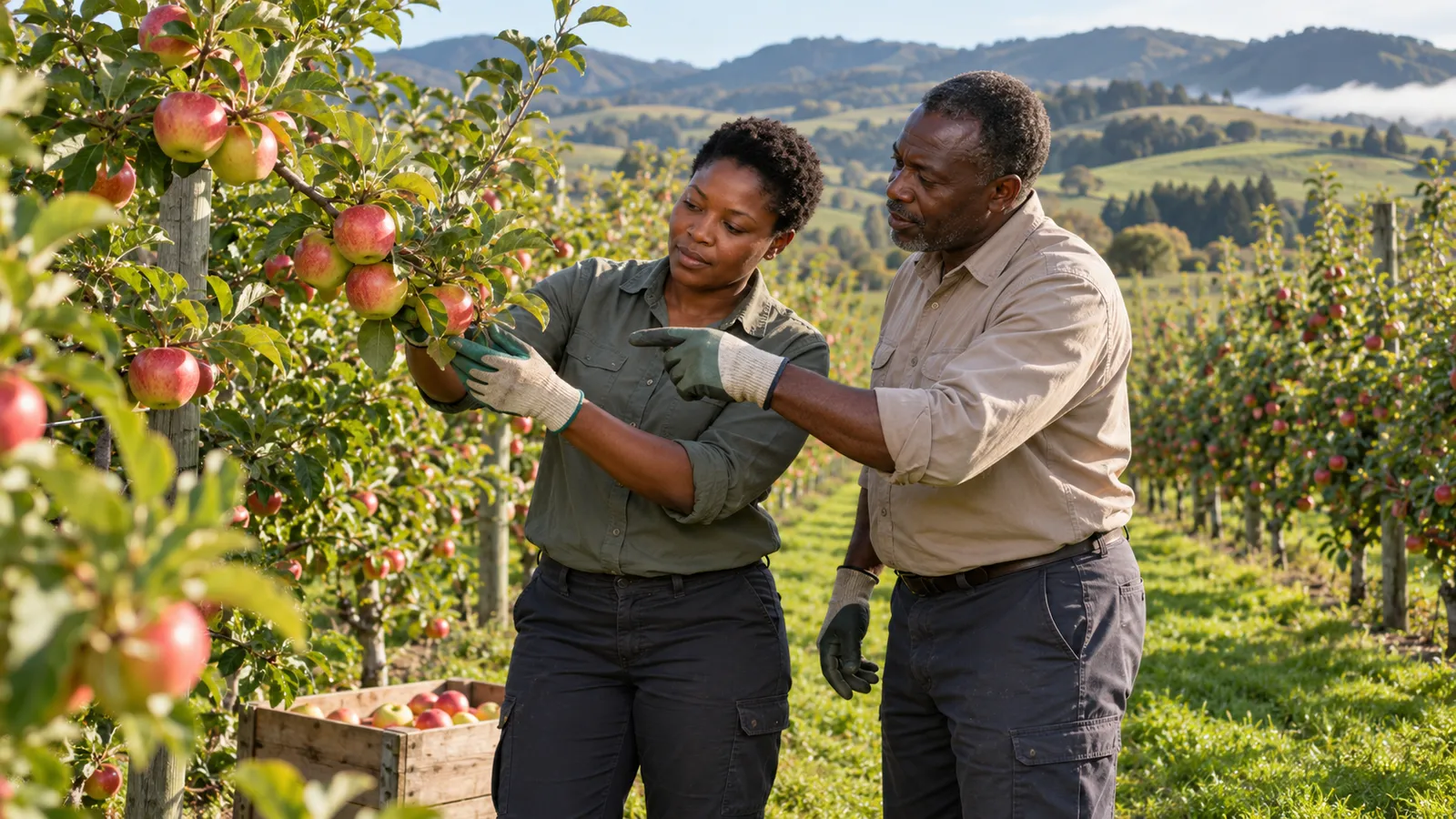
Horticulture in New Zealand is heading into a stretch where nobody is quite sure who will train the next generation of workers. For people in Harare, Bulawayo or farming districts of Zimbabwe who see fruit and vegetable work as a way into New Zealand, the shape of that training will influence how far a visa can take you.
Where the pieces are going
On 1 January 2026, work-based horticulture training moves from Te Pūkenga to a new, temporary organisation, the Food and Fibre Industry Skills Board. The timeline after that is short:
- Until the end of 2027 the industry training organisation continues in a holding pattern, with around 1,500 current enrolments.
- By June 2027 no new enrolments are accepted through the current arrangement.
- By 2028 regional polytechnics and private training providers are expected to deliver, with the Skills Board in a standards-setting role.
Why migrants should care
Migrant labour is central to New Zealand's fruit and vegetable production, yet visa holders currently find it harder to gain recognised work-based qualifications. The sector's new capability strategy proposes to restore training eligibility for workers on work visas. If that happens, workers could move from general labour into skilled, better-paid roles, and employers would gain staff who stay.
The numbers behind the concern
Work-based enrolments in fruit and vegetable training fell by roughly two-thirds from 2021 to 2024. The workforce is ageing and skill shortages are chronic, so the industry relies heavily on international labour. That creates a paradox for advisers and employers: the sector needing a stable skilled workforce is the one with the least stable training routes.
What could go wrong
If polytechnics and private providers pick only profitable courses, specialised horticulture pathways might disappear. That would include qualifications that give migrants routes to skilled visa categories or to residence tied to recognised trade qualifications. Industry bodies warn that lower-volume courses could be dropped even where they are critical.
What could go right
A cadetship programme piloted in Pukekohe and now expanding to the Bay of Plenty pairs apprentices with peer cohorts and shared study, and gives employers a dedicated advisor who handles training compliance. If government and industry can align over the next 18 months, the sector could end up with a stronger and more flexible system that explicitly includes migrant workers.
Reading the situation calmly
None of this means the door is closing. It means the route is being rebuilt, and rebuilt routes take time to settle. In the meantime, the sensible approach is to learn what you can about the sector, keep your own documents in order, and avoid anyone who promises a place or a qualification. Nobody can promise either while the system is changing.
Planning from Zimbabwe
Use this as background, not as a promise of a job. A ZIMSEC result or a HEXCO certificate never automatically equals a New Zealand qualification, skills assessment or registration. Keep evidence of your work, such as crop types, packing systems, team size and references. Where a police certificate is requested, it comes from the Criminal Record Office. Speak to a licensed immigration adviser or a lawfully exempt person before any payment.
Common mistakes to watch for
One is assuming that a work visa will bring training with it. Another is relying on an estimate of how long a training route will last when the system is being rebuilt. A third is a CV with no specifics. Create a job-ready CV with Build AI CV and describe tasks and results. If you want employers to check your history, a verified Talent Tabloid profile is optional and never required.
Frequently asked questions
What is the Skills Board?
A new, temporary body that takes over work-based horticulture training from Te Pūkenga.
When does it start?
On 1 January 2026.
What happens to current trainees?
Around 1,500 current enrolments continue under the existing arrangement until the end of 2027.
Could my visa allow training?
A proposal would restore eligibility for work-visa holders, but nothing is confirmed.
Where can I read more?
See the skilled migrant reset article and the student visa piece, along with the visa guides.
Key takeaways
- A temporary board takes over horticulture training on 1 January 2026.
- No new enrolments by June 2027, and delivery shifts to new providers by 2028.
- Enrolments fell by roughly two-thirds between 2021 and 2024.
- Visa-holder eligibility for training is proposed, not final.
- Get advice from a licensed immigration adviser and document your experience.
#horticulture workforce #training overhaul #new zealand #migrant workers #zimbabwe
 Harare to Perth? How Australia's ageing numbers explain its need for working-age migrants
 A pipeline with a plug in it: New Zealand's engineering shortage, seen from Zimbabwe
 Reading the numbers behind New Zealand's July 2026 migration gain: a Zimbabwean's guide