Harare to Perth? How Australia's ageing numbers explain its need for working-age migrants
News · 2026-09-22 · 4 min read

When the Australian debate turns to cutting migration, it can sound as if workers from abroad are a cost. The government's long-term projections, covered in late September, tell the opposite story. This note walks a reader in Harare or Bulawayo through the main figures and then through what to do next.
The ageing picture in brief
Australia's birth rate has sat well under the "replacement" level of 2.1 per woman for fifty years. It is about 1.5 now and is expected to drift down to roughly 1.34. Deaths are forecast to outnumber births in the mid-2060s for the first time in the nation's modern history. Because ministers have rejected baby-bonus incentives, more working-age arrivals are the main way to keep the labour force growing.
Standard migration versus lower migration
| Item | Standard settings | Lower intake |
|---|---|---|
| Older people per 100 working-age (now about 27) | 40 in the 2060s | 43 |
| Underlying deficit by 2065-66 | 1.8% of GDP | 2.4% of GDP |
| Debt as a share of GDP | Reference point | Nearly 10 percentage points higher |
The budget cost of too few workers outweighs the cost often blamed on migrants. Treasury's baseline even assumes sustained net overseas migration of well over 200,000 a year.
A practical checklist for Zimbabwean applicants
- Match your trade or profession to a specific role. Demand for skilled workers in general does not mean demand for your occupation.
- Gather proof: ZIMSEC results, HEXCO certificates, degree transcripts and employment letters.
- Remember that a Zimbabwean qualification never automatically equals an Australian licence, skills assessment or registration.
- Ask the Criminal Record Office about police clearance only when a visa or employer asks for it.
- Build a clear CV. Build AI CV can help you shape one around the role.
- If you want advice, use a migration agent on the MARA register for Australia or a licensed immigration adviser for New Zealand.
Work through that list before you chase any offer. Applicants who have their ZIMSEC, HEXCO and employment evidence ready can answer an employer's questions quickly, and they spot at once when a role asks for something their paperwork does not cover.
Two more posts give context: migration as the plan for an ageing Australia and what the population forecasts mean for migrants. Open vacancies sit on the jobs page.
Why employers and planners care
For anyone working in or around the Australian system, whether as an agent, an employer or a prospective applicant, the lesson is that demand for workers is built into the national plan. Younger working-age migrants pay taxes now, and the older resident population draws more heavily on healthcare, pensions and aged care. That balance explains why the government's own projections keep returning to migration even when the public mood turns against it.
For you, the practical translation is modest but useful. Expect ongoing interest in skills, expect rules to keep moving, and do not read any single headline as a change to your own case. If a job advert states sponsorship and its conditions, those conditions are what count.
Common mistakes at this stage
- Confusing a demographic trend with a job offer.
- Forgetting that policy changes with each election cycle, even when the economic argument stays the same.
- Paying an unregistered person who promises a visa. A lawfully exempt person or licensed adviser is the safe route for New Zealand.
- Skipping the small print on sponsorship, which each advert states.
Frequently asked questions
Why does a younger migrant matter so much?
Younger working-age migrants pay taxes now, while the ageing resident population draws more heavily on services.
Does cutting migration save money?
The modelling says no. It enlarges the deficit and pushes debt higher.
Is this a reason to apply immediately?
It is a reason to prepare. Your timing should follow your documents and the role's requirements.
Will the government keep this stance?
That is uncertain. The settings are political, though the demographic arithmetic stays.
Does the report mention diversity?
Government language links multiculturalism with economic strategy through skills, innovation and international ties.
Key takeaways
- The dependency ratio rises from about 27 to 40, or 43 if intake falls.
- Deficit widens from 1.8% to 2.4% of GDP under lower migration.
- Baseline planning assumes well over 200,000 net arrivals a year.
- Preparation and the right adviser matter more than news cycles.
#australia ageing #zimbabwe #migrant workers #federal budget #sponsored work
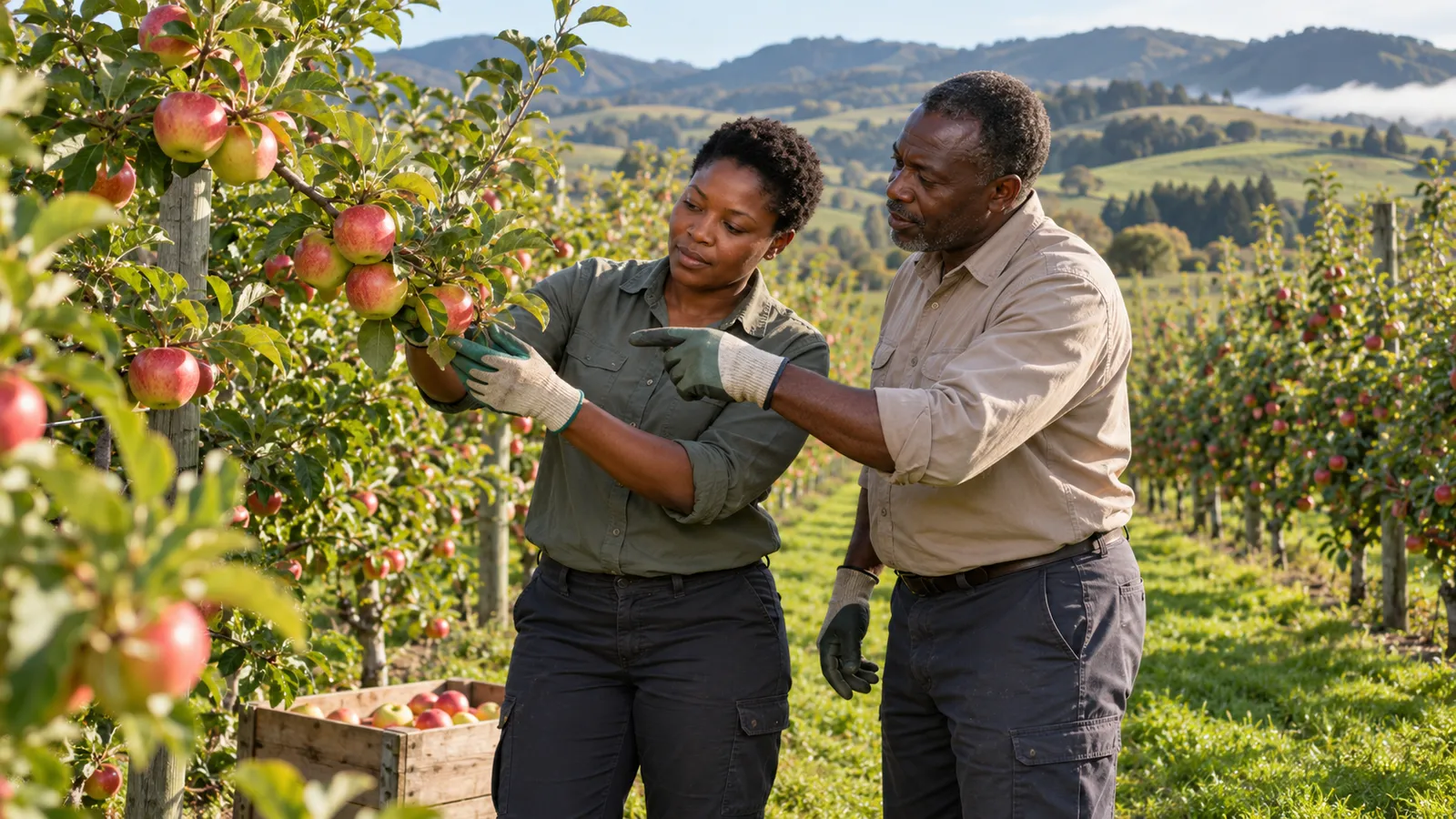 Zimbabwean growers and packers: a New Zealand training overhaul that could shape your career path
 From campus to career: why overseas graduates in Australia often land lower-skilled roles, and what Zimbabweans can do
 Admin, coding, copywriting, data: how AI redundancies in Australia affect Zimbabwean applicants