Does Australia really need migrants to keep growing? What the new report says for Zimbabweans
News · 2026-09-28 · 4 min read

Does Australia really need migrants to keep growing? According to its latest Intergenerational Report, yes: the future growth of the country depends heavily on people who choose to move there. That is a strong statement, and it comes with caveats readers in Harare and Bulawayo should weigh before making any decisions.
The case the report makes
Fewer children are being born. The fertility rate is projected to reach 1.34 births per woman by 2065-66, against the 1.62 assumed in the previous report, and by the 2060s deaths should outnumber births. Still, the population is forecast to reach 39.3 million by 2065-66, because net overseas migration is assumed to average 235,000 people a year over the long term.
The report calls this "demographic resilience". Germany, Italy and South Korea are the contrast, since deaths there already exceed births. Recent migrants also tend to be younger, with a median age around 26 compared with 38 for those already resident, which supports growth in the working-age group of 15 to 64.
Where the report sees work
The report is explicit that older Australians will need more care. The median age should rise from 38.6 to 45 by 2062-63, the number aged 65 and over will nearly double, and the number aged 85 and over will nearly triple. So expect demand for nurses, aged-care workers, allied health staff and disability support.
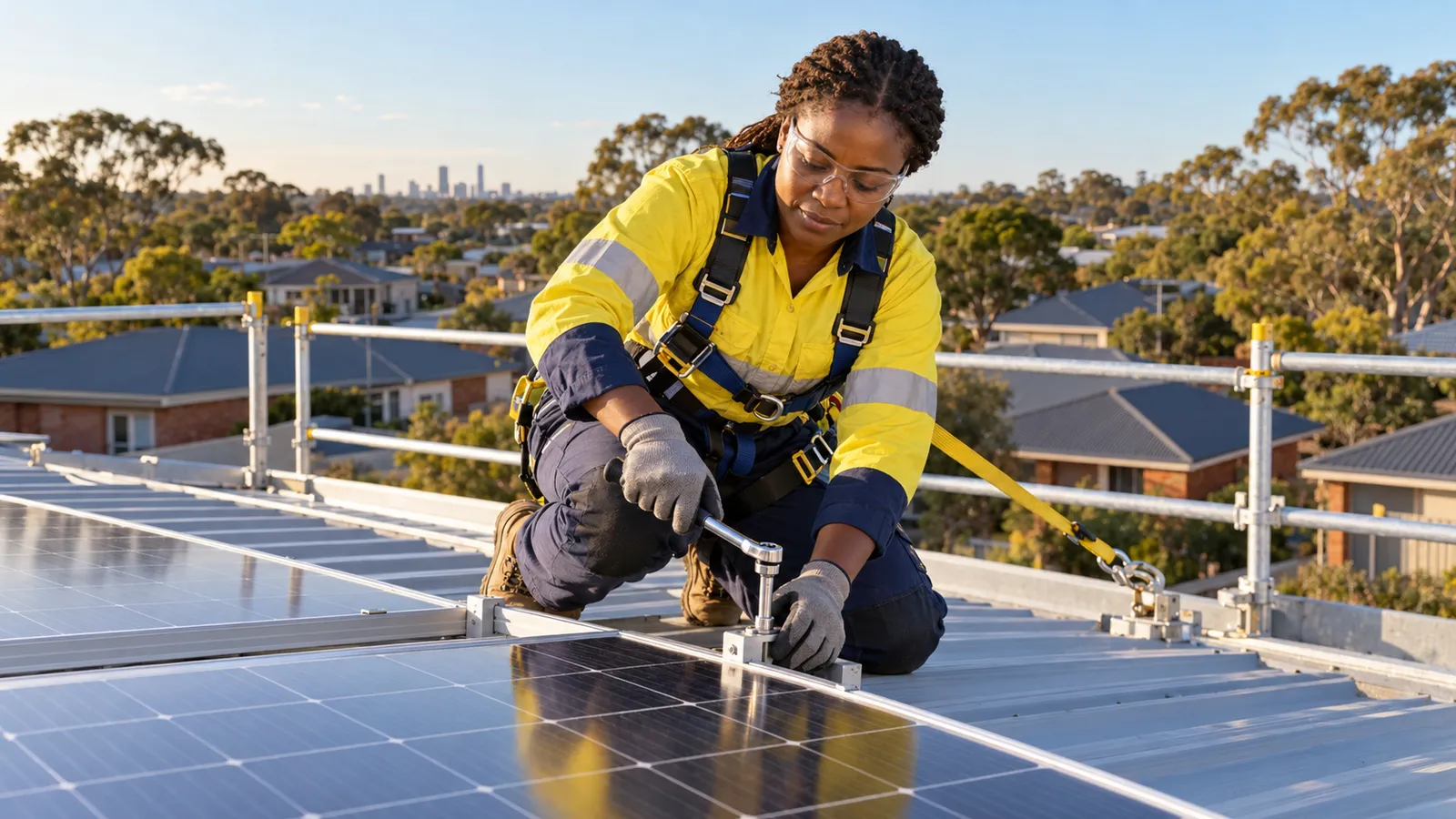
Next is the energy transition. With a net zero target of 2050, the country wants to be a "renewable energy superpower" via critical minerals, green hydrogen and green metals, creating work for engineers, technicians, tradespeople and project specialists. Artificial intelligence adds uncertainty, and a services-led economy rewards professional, technical and people-facing skills.
For a Zimbabwean electrician with HEXCO training or a nurse with years on the ward, these are useful signals. They are not eligibility. Any qualification must still be assessed, and regulated professions need their own registration.
Where the report is cautious
The economy is projected to grow more slowly, easing from about 3% a year to about 2%, mainly because of ageing, yet it should be more than twice today's size by 2065-66 with real per capita income up 55%. Life expectancy is forecast at 89.5 for women and 86.1 for men. The report is frank that housing affordability for younger people and rising government spending are real pressures.
Above all, 235,000 is an assumption. Some parties have said they would pursue much lower migration if elected, so occupation lists and visa settings can move. Our piece on what the data says about moving to Australia explores the debate, and net overseas migration explains the term.
Three habits that help
- Keep an eye on current requirements rather than past rules.
- Start early: skills assessments, English tests and documentation all take time.
- Match your plans to long-term need, such as care, energy and technology, not only to this year's list.
If you are ready to tell your story to employers, Build AI CV can help with the document, and our jobs page shows how roles are described.
Readers in Zimbabwe might also ask why a report about an ageing country should matter to them at all. The answer is that employers plan around these trends, and so do governments. When a country accepts that its growth leans on newcomers, migration policy becomes a central political question, which is why settings can change. That is a reason to stay informed, not a reason to relax your preparation.
Common mistakes to avoid
- Believing the forecast means a visa is waiting for you.
- Assuming ZIMSEC results or a HEXCO certificate carry over automatically.
- Leaving English-test preparation until the last minute.
- Using an adviser without checking. For Australia, look for an agent on the MARA register.
Frequently asked questions
Why does Australia need migrants?
Low fertility and an ageing population mean growth relies on people arriving from overseas.
Is 235,000 a fixed figure?
No. It is an assumption that governments can change.
Which skills does the report highlight?
Care, energy transition, digital and services skills.
Can I rely on this report to plan?
Use it as background. Check current visa requirements before any decision.
Key takeaways
- Australia's growth forecast depends on net overseas migration, assumed at 235,000 a year.
- Ageing creates demand for care, and net zero creates demand for technical skills.
- The assumption is political and may change.
- Prepare early and rely on current official information.
#migration #growth #intergenerational report #australia #zimbabwe
 Trade skills and Australia: four things Zimbabwean carpenters, plumbers and electricians should settle first
 From campus to career: why overseas graduates in Australia often land lower-skilled roles, and what Zimbabweans can do
 Admin, coding, copywriting, data: how AI redundancies in Australia affect Zimbabwean applicants